
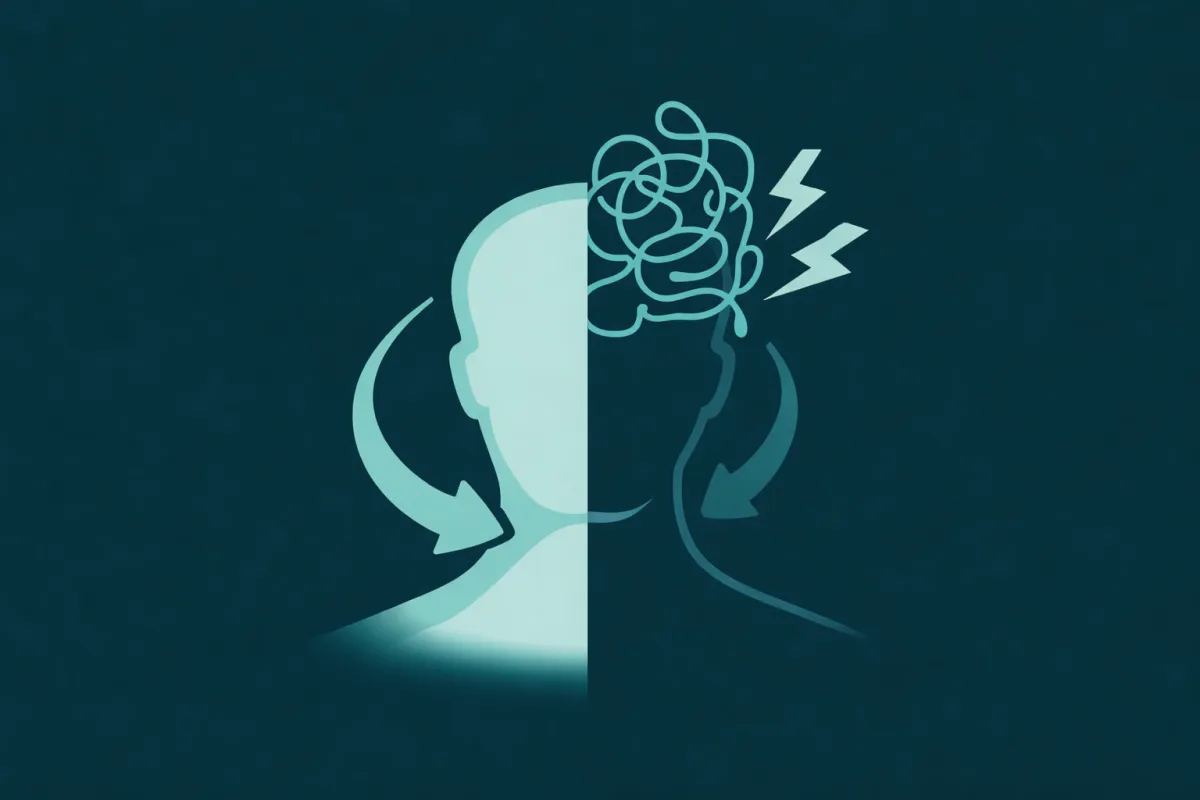
Why Leadership Models Don’t Fix Behaviour Under Pressure
Why Leadership Keeps Creating New Models Instead of Fixing the Real Problem
Leadership development has a long-standing preference for tidy models. Clear labels, simple structures, and memorable frameworks give organisations a sense of progress and reassurance that leadership issues are being addressed.
Over time, this has produced no shortage of leadership models. Different letters. Different emphases. Different industries. Each presented as the way forward.
It is no surprise many leaders feel overwhelmed. Running a team is hard enough without trying to remember which framework is meant to matter most when pressure increases.
And this is the point worth making early.
Most leaders do not need another leadership model.
They need a better understanding of how behaviour actually plays out under pressure, in front of them, day to day.
The problem is not the framework
Most leadership frameworks are not wrong. They are usually thoughtful, well-researched, and created with good intent.
Some focus on performance and growth.
Others on decision-making.
Others on engagement, identity, or wellbeing.
Each makes sense in its own context.
The difficulty is that leadership is rarely lived in neat categories. Models designed to explain behaviour in theory begin to strain when applied to the messy reality of teams, personalities, and competing pressures.
And when pressure increases, the limits of frameworks show quickly.
This is often when leadership behaviour under pressure starts to shift, and when accountability, clarity, and trust become harder to sustain.
Where leadership frameworks fall short in practice
Frameworks are tools. They rely on judgement.
A leader can understand a model perfectly and still avoid a difficult conversation.
They can speak fluently about values and still overload themselves because they do not trust the team.
A team can understand the theory and still struggle because two personalities continue to clash.
The issue is not the model itself.
It is what happens when behaviour changes under pressure.
This is why organisations often accumulate leadership frameworks without seeing a corresponding shift in day-to-day behaviour. Knowledge increases. Manager capability under strain does not.
From an organisational perspective, this is where familiar problems tend to reappear: avoidance of accountability, inconsistent responses, and people issues quietly escalating.
Models work best as lenses, not instructions
Used as a way of looking at what is happening, a leadership framework can be useful.
It might draw attention to blurred responsibilities, strained relationships, or confidence dropping under scrutiny.
But from that point on, the model has done its job.
It will not explain how two people with different communication styles are interpreting one another.
It will not reveal why accountability feels safe in one team and risky in another.
It will not help a leader notice how their own behaviour shifts when stakes rise.
That requires behavioural awareness, not additional concepts.
The quieter work of leadership effectiveness
Effective leadership is less about selecting the right framework and more about noticing patterns.
How people respond under pressure.
What gets avoided.
Where trust thins.
Which behaviours repeat themselves when situations become uncomfortable.
When leaders develop this awareness, frameworks stop being the centrepiece. They become reference points, not solutions.
This is often when teams stabilise, communication improves, and performance feels less forced.
Not because a better leadership model was introduced, but because behaviour was finally understood in context.
A question worth sitting with
As leadership frameworks continue to multiply, a more useful question may be this:
Where are we relying on models to explain behaviour, rather than developing the capability to recognise what is actually happening between people, especially when pressure increases?
That distinction often explains why some leadership initiatives shift behaviour, while others simply reframe the same leadership problems in new language.